
Typical module fit
Review this path for Bipedal knee and ankle linear joints, Elbow, wrist, and shoulder compact actuators, Robot gripper and end-effector force modules where load density, stroke, and package length drive the screw architecture.
Compact inverted roller screw sets for humanoid elbows, knees, ankles, wrists, grippers, and high-force linear joints.
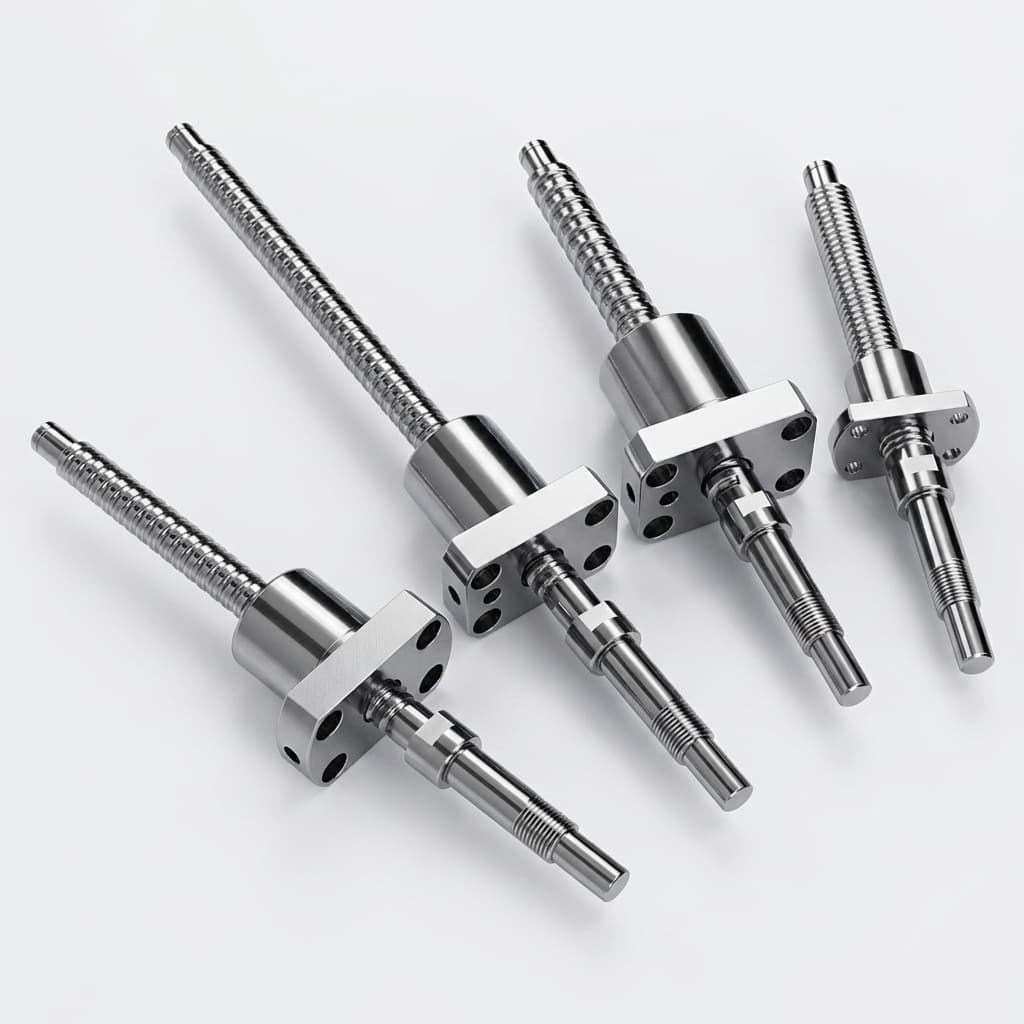
Review this path for Bipedal knee and ankle linear joints, Elbow, wrist, and shoulder compact actuators, Robot gripper and end-effector force modules where load density, stroke, and package length drive the screw architecture.
Agree on force density, backlash/preload, lead accuracy, and load-cycle evidence before sample approval.
Include the target actuator envelope, application duty cycle, quantity stage, and preferred inspection documents in the first inquiry.
| Evaluation Metric | Typical Range | Buyer Relevance |
|---|---|---|
| Force Density | High thrust in compact joint envelopes | Determines whether the actuator can fit the limb while still meeting torque targets. |
| Prototype Stage | EVT, DVT, PVT, small batch | Robotics teams usually need drawing iteration before production tooling is stable. |
| Validation Gate | Backlash, torque, lead accuracy, load cycle evidence | Lets mechanical, controls, and procurement teams approve the same sample baseline. |
| Joint Integration Inputs | Lever arm, mounting span, motor envelope, sensor plan | Humanoid joint performance depends on the complete actuator module, not the screw in isolation. |
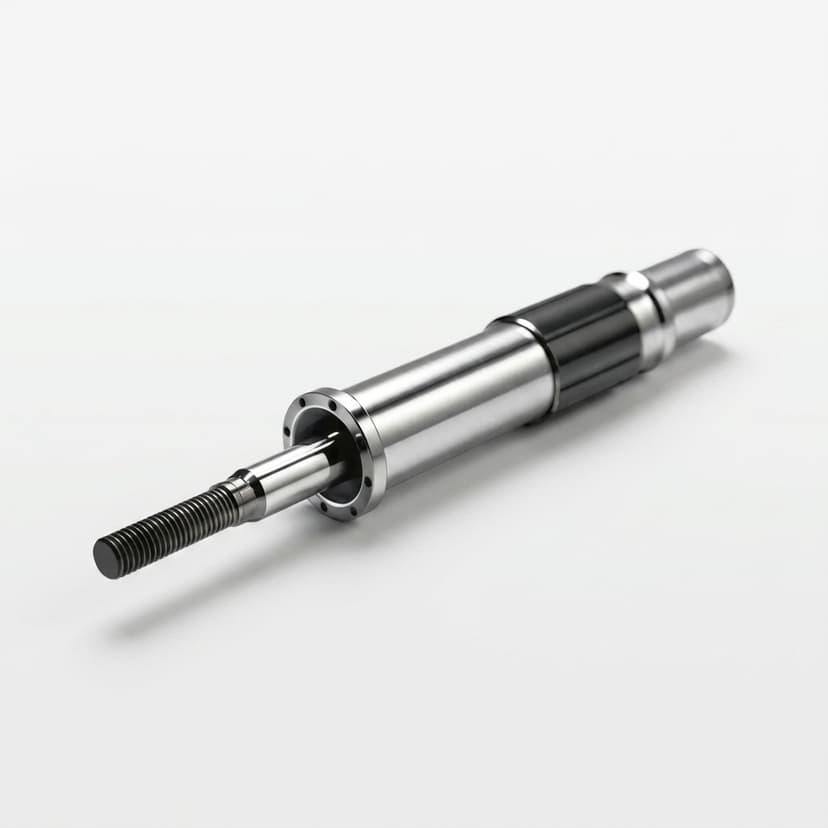
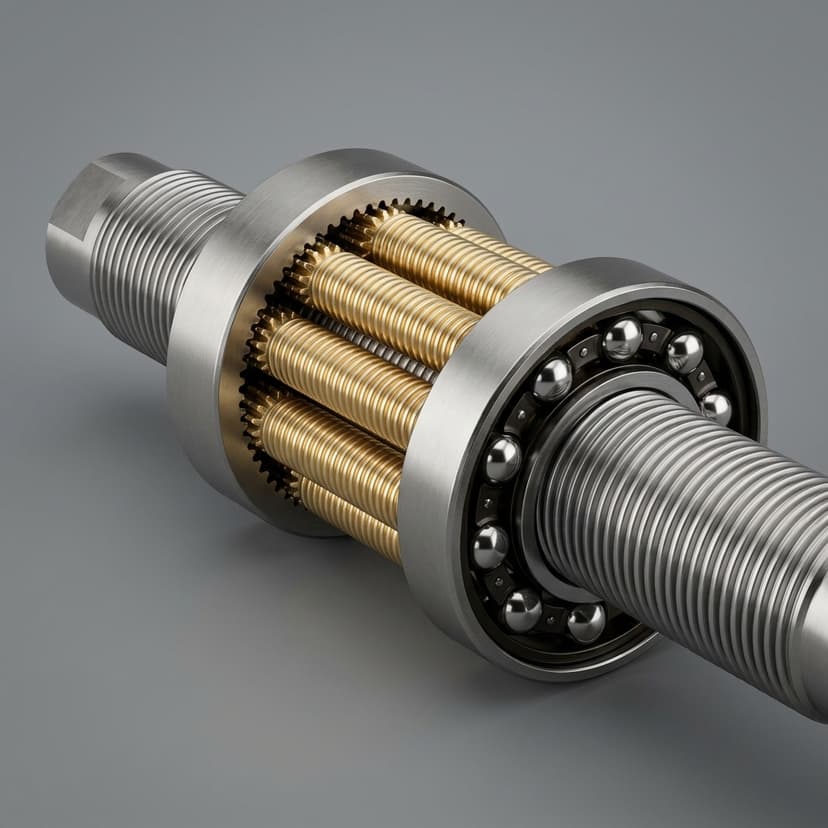
We provide the core screw mechanics and can collaborate on the housing/rotor integration.
It can reduce package length when the nut, rotor, push tube, and bearing layout are designed together. The practical benefit should be checked with the full joint envelope, not only the screw length.
Prototype timing depends on geometry, material, heat treatment, inspection scope, and drawing readiness. Complete RFQ data lets us return a realistic sample schedule instead of a generic promise.
They can support force-control strategies when lead, preload, friction torque, sensor layout, and controller assumptions are aligned. Buyers should validate this at the joint level.
Send drawings to [email protected] or WhatsApp [email protected] for a manufacturing review.
Inquiry Email
Include target OD, lead, stroke, load, quantity, and delivery country.
WhatsApp Engineering
WhatsApp Engineering Support
Best for quick RFQ clarification and drawing-review coordination.