
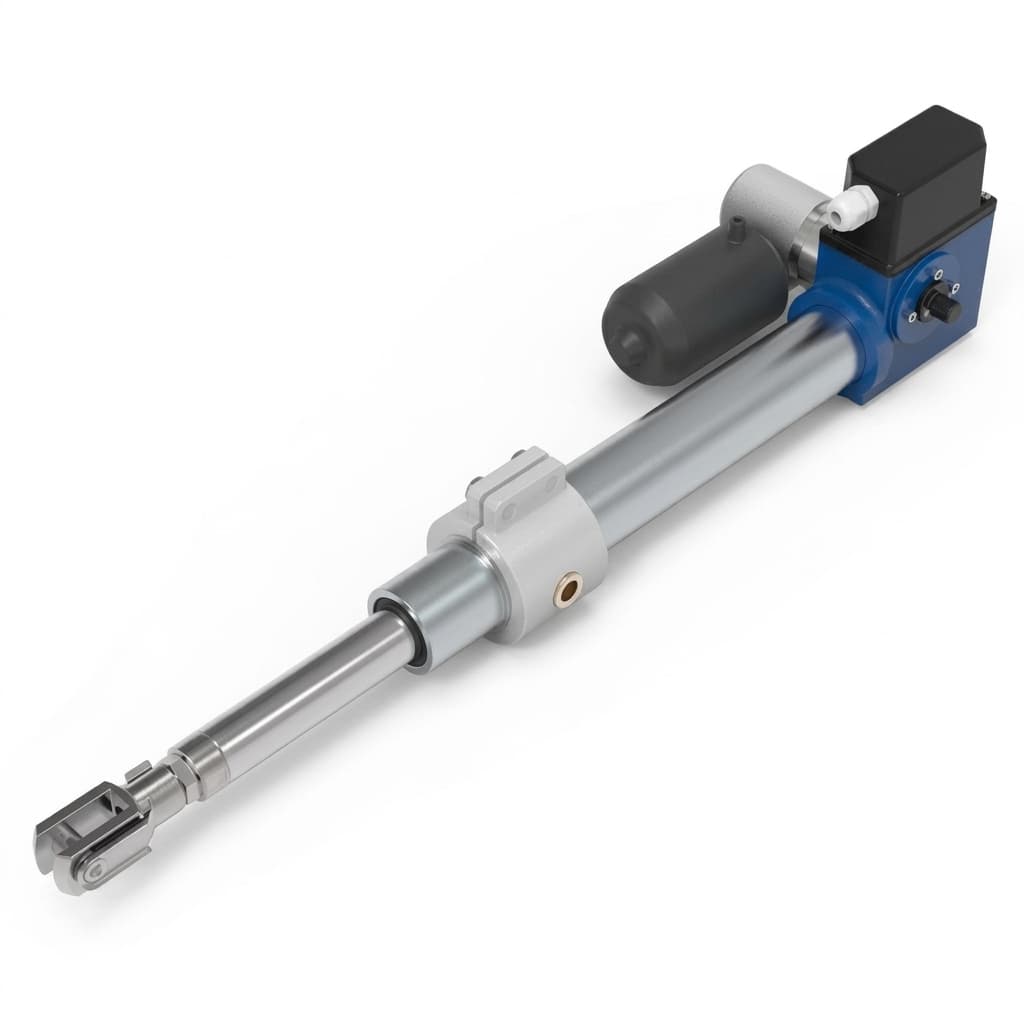
The Manufacturing Process of Inverted Roller Screws: Why Internal Thread Grinding Matters
Go behind the scenes at our factory to understand the complexities of internal thread grinding and why it dictates the quality of inverted roller screws.
When OEM buyers source inverted planetary roller screws, they often focus entirely on the spec sheet: load capacity, lead accuracy, and dimensions. However, what separates a reliable actuator program from a risky one is not just the theoretical design; it is the manufacturing process execution.
The defining component of the inverted roller screw is a long, internally threaded nut. Machining this component to microscopic tolerances is notoriously difficult. Today, we're taking you behind the scenes of our factory to explain why precision internal thread grinding is our most critical capability and the foundation of our product quality.
The Challenge of the "Inverted" Nut
In a standard roller screw, the threads are on the outside of a solid shaft. Grinding external threads is a mature, straightforward process that has been mastered globally.
In an inverted roller screw, the stroke length of the actuator is dictated by the length of the nut. This means we have to grind a highly precise thread inside a deep, narrow cylinder.
- Tool Deflection: The grinding wheel must be mounted on a long spindle cantilevered deep into the nut. Long spindles are inherently prone to bending or vibrating (chatter) under the radial forces of grinding.
- Coolant Delivery & Thermal Distortion: Grinding generates immense heat. Delivering high-pressure coolant deep into a blind or semi-blind hole to prevent thermal distortion of the metal is extremely challenging. If the metal expands during grinding, the final thread pitch will be incorrect once it cools.
- Chip Evacuation: Removing microscopic grinding swarf from inside the nut prevents the wheel from clogging (loading) and burning the workpiece.
Our Approach: Heavy-Duty CNC Grinding and Metallurgy
To achieve buyer-specified lead accuracy on long internal threads, standard equipment is often insufficient. A serious manufacturing route needs a multi-step, controlled pipeline:
1. Advanced Metallurgy and Heat Treatment
Before grinding begins, the raw material (typically high-grade alloy steel like 20CrMo or aerospace-spec variants) must be prepared.
- Common routes include carburizing or nitriding to reach a project-specific surface hardness target while maintaining a tough core. The accepted route should be tied to material certificate, heat number, hardness record, and distortion allowance.
2. Custom High-Rigidity Spindles
We utilize over-sized, custom-tuned grinding spindles made from heavy-density damping materials (like mineral cast or carbon-fiber reinforced composites) to completely absorb harmonic vibrations. This eliminates chatter marks on the thread flanks.
3. Climate-Controlled Machining
Grinding at the sub-micron level means even a 1°C shift in room temperature can ruin a batch through thermal expansion. Our internal thread grinding cells operate in strictly climate-controlled environments (±0.5°C variance).
4. Continuous Diamond Dressing
The grinding wheel wears down constantly. Continuous diamond CNC dressing of the grinding wheel (often using advanced CBN or ceramic aluminum oxide wheels) helps keep the thread profile stable across the working stroke.
Verification: You Can't Manage What You Can't Measure
After grinding, every single internal nut undergoes rigorous metrology in our inspection lab.
- We use specialized internal contour measuring probes and CMMs to map the flank angle, pitch deviation, and root radius of the thread.
- Surface roughness (Ra/Rz) is checked against the drawing or RFQ target. A controlled finish supports lower friction and lubricant stability, but the final target should be validated with the buyer's load, speed, and grease plan.
Internal Machining Method Comparison
| Machining Method | Tolerance Class Achievable | Max Thread Length | Surface Finish (Ra) | Best For |
|---|---|---|---|---|
| Hard Tapping | ISO 7 - 9 | Very Short (<50mm) | 1.6 - 3.2 µm | Low-cost standard nuts |
| Hard Turning (Boring) | ISO 5 - 7 | Medium (<150mm) | 0.8 - 1.6 µm | Medium-duty actuators |
| CNC Internal Grinding | ISO 1 - 3 | Ultra-Long (500mm+) | 0.2 - 0.4 µm | Aerospace / Robotics OEM |
Buyer Inspection Package for Long Nuts
| Inspection Item | Typical Evidence | Why Buyers Ask for It |
|---|---|---|
| Material and heat number | MTR, CoC, heat-treatment record | Confirms the lot matches the approved sample baseline |
| Hardness and case depth | Hardness report, process note | Screens wear, toughness, and heat-treatment drift |
| Lead or pitch deviation | Lead report over working stroke | Controls positioning error and roller load sharing |
| Profile and flank angle | Contour or profile report | Confirms the nut can match the screw and roller geometry |
| Runout and coaxiality | CMM or fixture measurement | Protects actuator alignment and preload stability |
| Roughness | Ra/Rz record | Supports friction, grease retention, and heat control |
| Assembly behavior | Backlash/preload and torque record | Confirms the nut works as part of the matched screw set |
Partner with our Advanced Manufacturing Facility
The theoretical advantages of an inverted planetary roller screw only matter when the internal nut is manufactured and inspected as part of a matched assembly. Dedicated deep-hole internal thread grinding, controlled heat treatment, and release records help buyers connect the sample they approve to the parts they reorder.
Explore Our Capabilities
Learn more about our dedicated Internal Thread Grinding services or explore our Custom Roller Screw Manufacturing programs for aerospace and robotics OEMs.
Contact our engineering team to request sample inspection reports, or submit your drawing for a comprehensive DFM review.
Author

Categories
More Posts
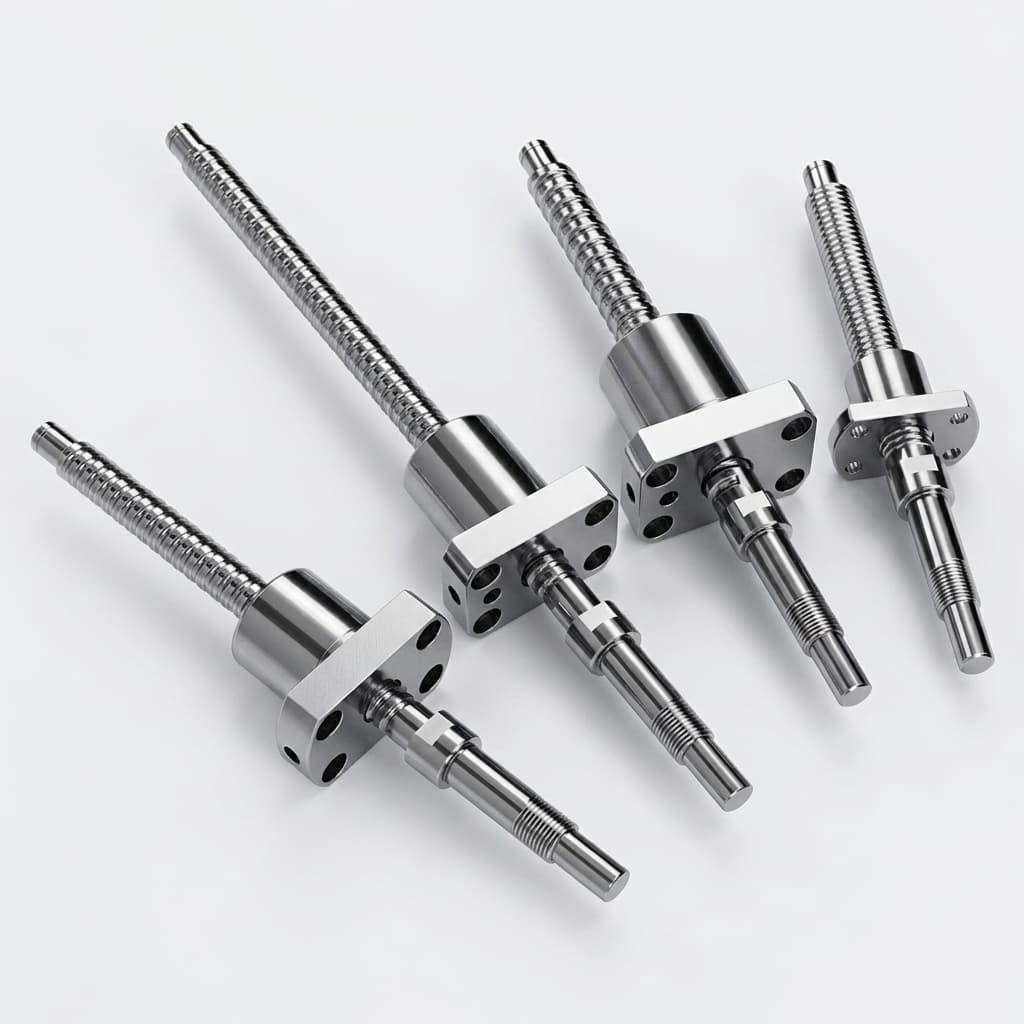
How to Select the Right Inverted Roller Screw for Humanoid Robot Joints
A comprehensive sizing and selection guide for robotics engineers integrating inverted roller screws into bipedal humanoid actuators.

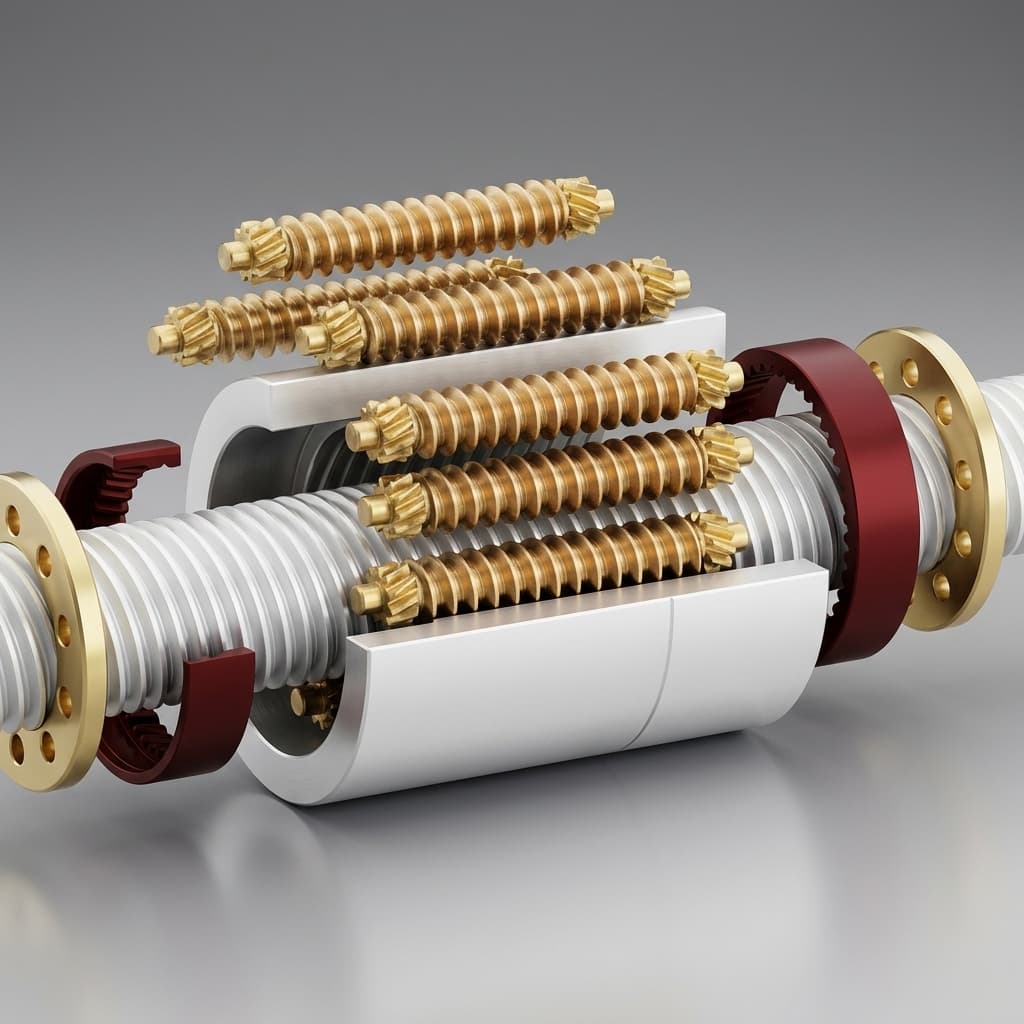
Inverted Planetary Roller Screw vs. Ball Screw: Which is Better for High-Load Actuators?
A detailed engineering comparison between inverted planetary roller screws and traditional ball screws for heavy-duty and compact robotic applications.
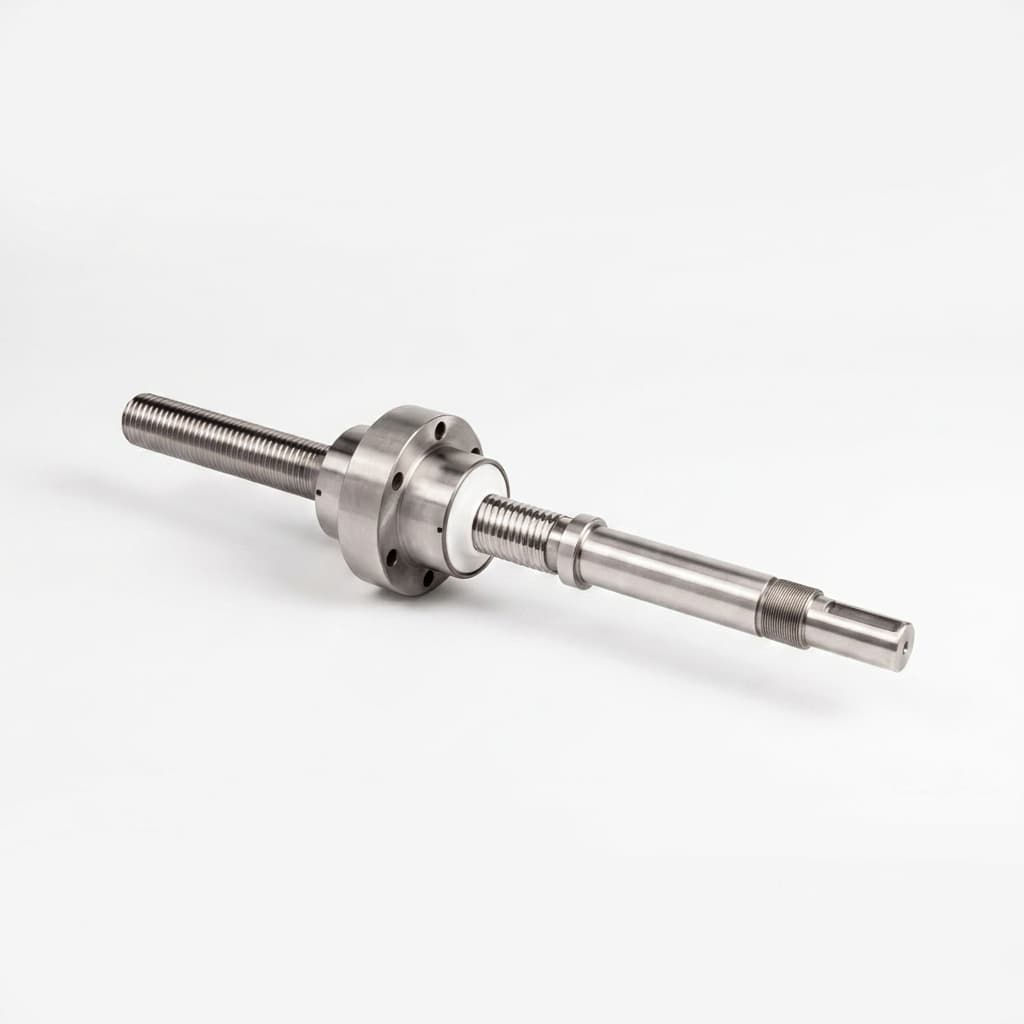
Replacing Hydraulic Cylinders with Inverted Roller Screws: A Total Cost of Ownership (TCO) Analysis
Use this TCO guide to compare hydraulic cylinders with inverted roller screws across energy, maintenance, ESG risk, precision, and migration limits.